
Email Marketing for Local Businesses: Small Lists, Measurable Revenue
Yes, email marketing is one of the highest-ROI channels available to local businesses, and the first move is simple: start a permission-first local list and send a welcome plus local-offer automation. Capture addresses where customers already are, whether that’s checkout or booking, and keep an easy opt-out in place from day one.
TL;DR:
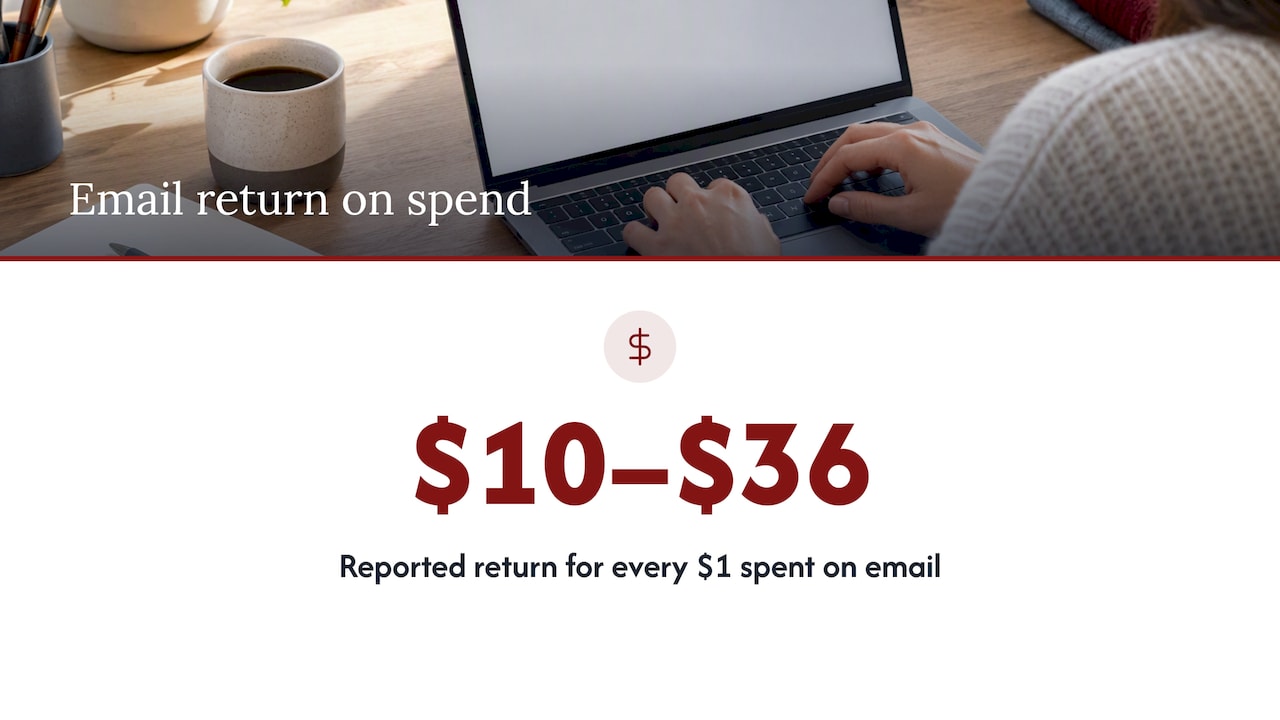
- Many organizations report returns of $10 to $36 for every $1 spent on email, while local relevance, testing, segmentation, and personalization affect results.
- Capture addresses at checkout, booking, or events, and record each person’s consent source, time, and type; ask only for first name and ZIP code.
- Most local businesses should email weekly to every two weeks; restaurants and retailers can send weekly, while service firms often suit twice monthly.
- Every commercial email needs accurate sender details, an honest subject line, a postal address, and a working unsubscribe option honored within 10 business days.
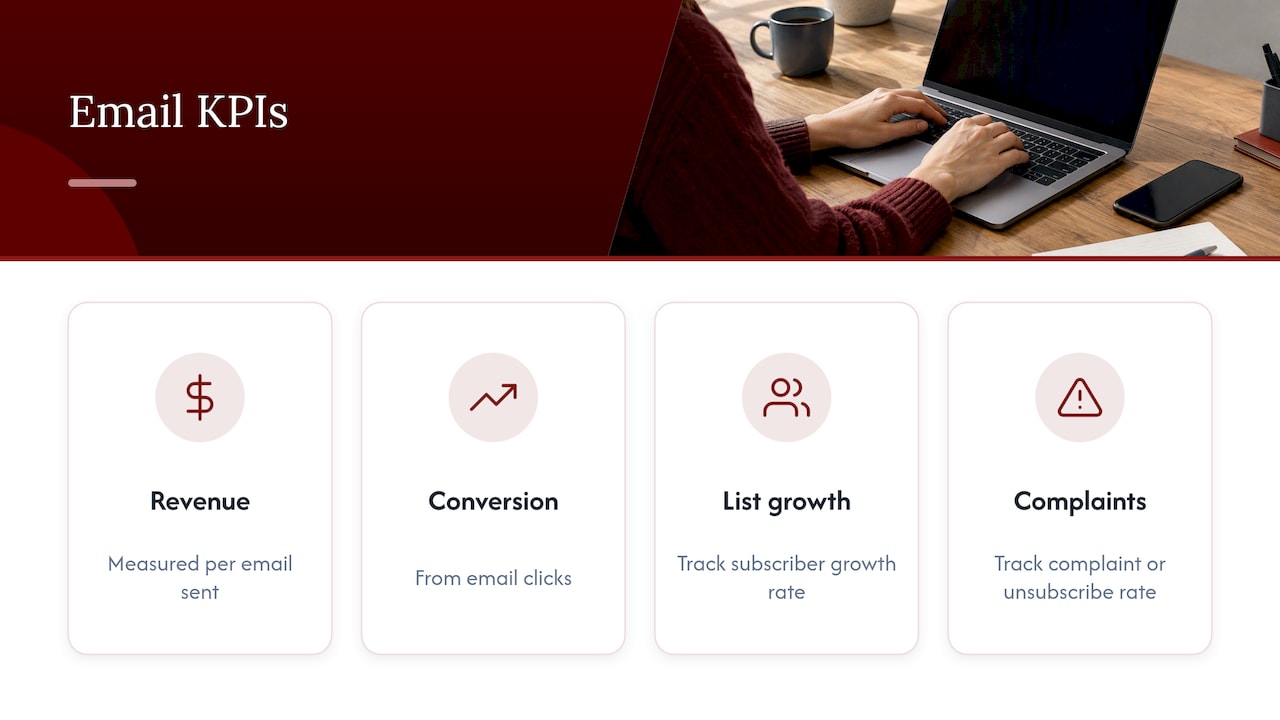
- Track revenue per email, click conversion, list growth, complaints, and unsubscribes; unique coupons or dedicated booking links can connect campaigns to sales.
Table of Contents
- Why email marketing works for local and small businesses
- Build a local email list: proven tactics for small businesses
- Plan campaigns and cadence for local businesses
- Segmentation and personalization that work for small lists
- Choosing affordable tools and the features that matter
- Measure ROI and the KPIs local businesses should track
- Legal must-dos: a practical CAN-SPAM checklist for US businesses
- Agency-tested workflows and proof points
- A 30-day action checklist to get started
- A done-for-you option when you’d rather not build it yourself
- FAQ
- Sources
Why email marketing works for local and small businesses
Returns depend less on list size than on how the program is built. Permission matters most: people who opt in at your counter or on your booking page already know and trust you, so they open and click at far higher rates than a cold audience ever will.
Many organizations report returns between $10 and $36 for every $1 spent on email, according to Litmus research on email ROI, and that range widens or narrows based on testing, segmentation, and personalization. Local relevance adds another lever: a subject line that names a neighborhood, a nearby cross street, or a weekend event signals “this is for me” before the message is even opened. A list of 500 engaged local subscribers can outperform a generic list ten times its size when the content speaks directly to where people live and what they already bought.
Build a local email list: proven tactics for small businesses
Collecting addresses is only half the job. You also need a record of how and when each person agreed to hear from you, because that record is what protects you later.
- Capture at the point of sale or booking. Add a simple opt-in line at checkout or in your booking confirmation (“Get local deals and appointment reminders by email”) rather than a vague “join our newsletter.”
- Use your website’s natural stopping points. A pop-up tied to a specific offer, a dedicated landing page, or a checkbox at checkout each convert better than a generic footer form.
- Collect at events and through partners. A sign-up sheet at a pop-up booth or a shared list-building effort with a neighboring business works, provided you document consent at the moment of collection.
- Log the source, timestamp, and consent type for every contact. This is what makes unsubscribes and suppression lists actually work later.
A QR code on a receipt, table tent, or event banner that links straight to a mobile signup form, as outlined in this QR campaign guide, removes friction for anyone who would rather scan than type.
Pro Tip: Ask for first name and ZIP code at signup, nothing more. Every extra field costs you completed signups.
Plan campaigns and cadence for local businesses
A small list doesn’t need a complicated calendar. It needs a handful of campaign types sent consistently enough to stay top of mind without becoming noise.
- Welcome series: two to three emails introducing your business, a first-visit offer, and what to expect next.
- Local promotions: tied to a season, neighborhood event, or slow period you want to fill.
- Event announcements: in-store demos, community sponsorships, or seasonal hours.
- Review and re-engagement requests: sent after a purchase or visit, and again to anyone who has gone quiet for 60 to 90 days.
Most local businesses do well sending once a week to biweekly; restaurants and retailers with frequent offers can go weekly, while service businesses like law firms or contractors often fit better at twice a month. Subject lines that reference a specific area or event, such as “Downtown customers: this weekend only” or “Spring cleanup special for [neighborhood] homeowners,” tend to outperform generic ones because they read as locally relevant rather than mass-sent.
Segmentation and personalization that work for small lists
You don’t need a data team to segment well. A handful of simple splits cover most of what a local business needs.
- Geography: ZIP code or neighborhood, so offers match the store or service area closest to the recipient.
- Purchase or appointment status: new customer, repeat customer, or upcoming appointment.
- Recency: active in the last 30 days versus quiet for 90 or more.
- Behavior triggers: a post-purchase follow-up, a no-show reminder, or a browse-abandon nudge for anyone who started booking but didn’t finish.
Referencing a customer’s actual store location or the event they attended in the email body does more for conversion than any amount of generic copy.
Pro Tip: Start with just two segments, new versus returning customers, before building anything more complex.
Choosing affordable tools and the features that matter
The right tool depends less on price and more on whether it handles the basics well. Look for:
- Strong deliverability track record, since a cheap platform that lands in spam costs you more than a slightly pricier one that reaches inboxes.
- Built-in segmentation and automation, so welcome series and triggered emails don’t require manual sending.
- Ready-made templates that look clean on mobile without a designer.
- Clear suppression list handling, so opt-outs are removed automatically and can’t be re-added by accident.
Pricing usually runs per-contact or flat monthly, and per-contact plans can get expensive fast as your list grows, so ask what the cost looks like at double your current list size before committing. Confirm the vendor supports a visible opt-out and physical address field in every template, since that’s where many free or budget tools fall short of what’s legally required.
Measure ROI and the KPIs local businesses should track
Open rates are a starting point, not the finish line. The metrics that actually tell you whether email is making money are revenue per email sent, conversion rate from email clicks, list growth rate, and complaint or unsubscribe rate.
Attribution doesn’t require sophisticated tracking. A unique coupon code, a dedicated booking link, call tracking on a phone number used only in email, or a note at point-of-sale asking “how did you hear about this offer” all work. Litmus research notes that many businesses under-measure email’s actual contribution because they rely on open rates alone instead of tracking what the click actually led to. Program design, not list size, is what moves the needle: testing subject lines, sending at the right frequency, and segmenting by behavior all shift ROI more than adding more names to the list.
Legal must-dos: a practical CAN-SPAM checklist for US businesses
Every commercial email you send needs to follow a short list of federal rules, and they’re not optional even for a single-location business.
- Use accurate sender and header information so the “from” line isn’t misleading.
- Write non-deceptive subject lines that reflect what’s actually inside the email.
- Include a valid physical postal address in every message.
- Provide a clear, working opt-out and honor it within 10 business days.
These requirements come directly from the FTC’s CAN-SPAM compliance guide, which also applies to business-to-business email, not just consumer marketing. The CAN-SPAM Rule in the eCFR further defines the “primary purpose” test used to decide whether a message counts as commercial or purely transactional, which determines which rules apply. Keep permission records tied to each contact so suppression works correctly and an unsubscribed address never gets re-imported without a documented reason.
Agency-tested workflows and proof points
A repeatable workflow removes most of the guesswork: capture the address, log the permission record, trigger a welcome automation, follow with a local-offer sequence, then request a review once the purchase or visit is complete. That sequence can run in the background indefinitely once it’s built.
If you’re evaluating whether to build this in-house or hand it to an agency, ask for the same things either way:
- A clear reporting cadence showing revenue per campaign, not just opens.
- Documented suppression list handling so opt-outs never resurface.
- A built, tested welcome and local-offer automation, not just a one-off send.
- A plan for turning satisfied customers into Google reviews, which also supports local search visibility.
A 30-day action checklist to get started
In your first month: set up capture at checkout or booking, launch a welcome sequence, send one local promotion, request reviews from recent customers, and track revenue per email from day one. Handle revenue-driving steps before testing subject lines or send times. If you don’t have time to build and monitor automations yourself, that’s the moment to bring in outside help.
— Will
A done-for-you option when you’d rather not build it yourself
We can set up a full email marketing program for local businesses that would rather hand off list building, automation, and reporting than build it themselves. Our email marketing service covers campaign setup, welcome and local-offer automations, and transparent reporting tied to actual revenue, not just opens.
This fits best if you’re a local business owner who wants a managed program running in the background rather than another task on your plate. We also build automation workflows you can review and approve before anything goes live.
- Campaign and automation setup built around your specific customer journey.
- Suppression list and compliance handling managed on your behalf.
- Reporting focused on revenue per campaign rather than vanity metrics.
Reach out through our email marketing page to get a plan built around your business.
FAQ
What is the 3-3-3 rule for marketing?
Definitions of this rule vary across marketers and it isn’t a standardized industry framework, so treat any version you see as a rule of thumb rather than a fixed standard. A common interpretation focuses on keeping messages to three key points, repeated across three channels, over three touches, but no authoritative source defines it the same way twice.
What is the 80/20 rule in email marketing?
The common version holds that roughly 80% of your email content should inform, entertain, or help the reader, while about 20% directly promotes a product or offer. It’s a guideline for balance rather than a measured industry statistic, and local businesses often adjust the ratio based on how promotional their audience tolerates.
Is email marketing still worth it in 2026?
Yes, email remains one of the highest-ROI marketing channels, with many organizations reporting returns between $10 and $36 per $1 spent depending on how well the program is built. For local businesses, permission-based lists and locally relevant content continue to outperform broader paid channels on a cost basis.
How much does it cost to send 10,000 emails?
Costs vary by vendor and pricing model, usually either per-contact or a flat monthly fee, and no single published rate applies across tools. The better question to ask any vendor is how pricing changes as your list grows, since per-contact plans can get expensive quickly at that volume.
How often should a small business send marketing emails?
Most local businesses see good results sending weekly to biweekly, with restaurants and retailers often going weekly and service businesses fitting better at twice a month. Adjust frequency based on engagement: if opens and clicks hold steady, you can test sending more often.